
Assembly And PREPARATION
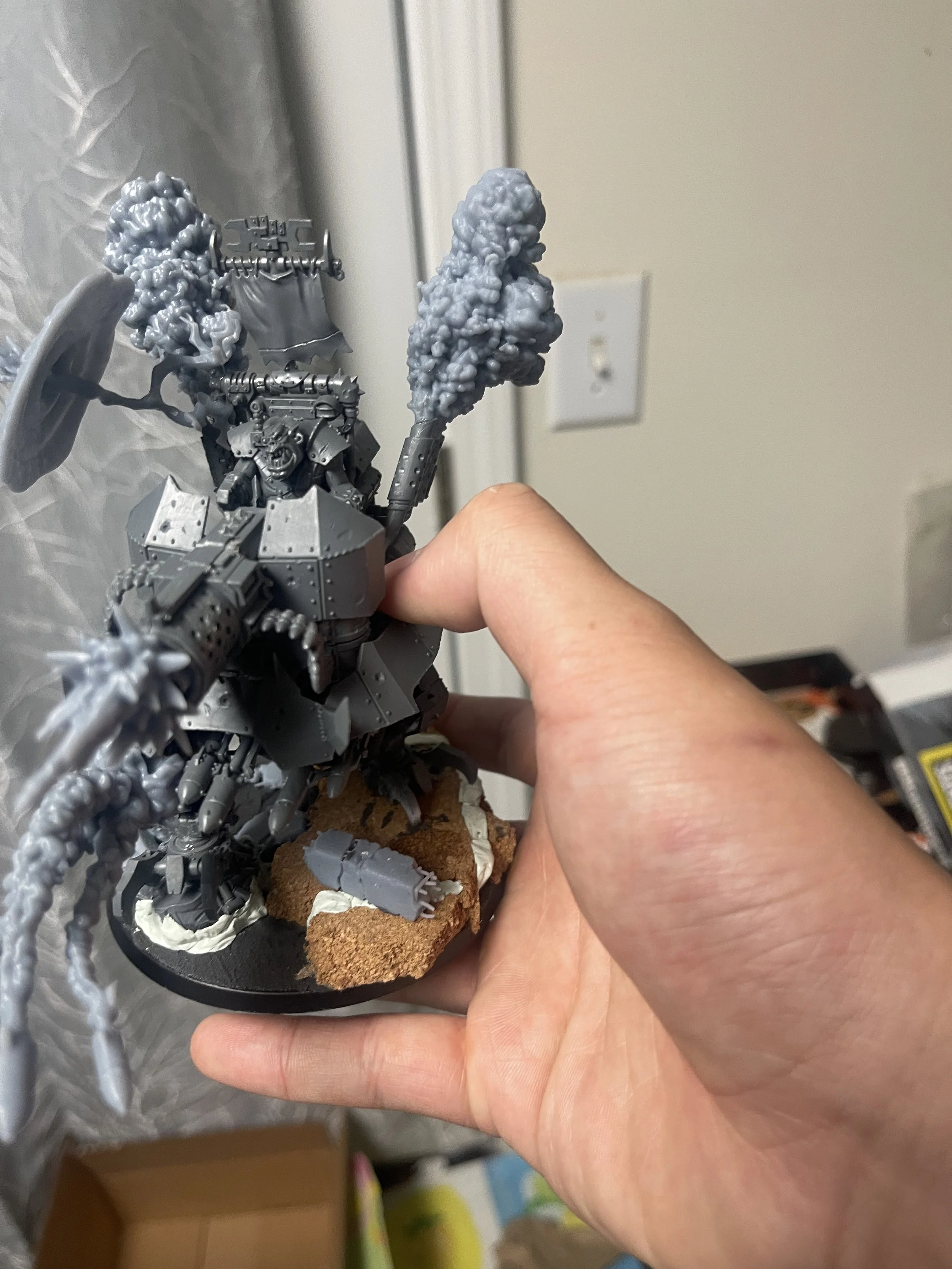
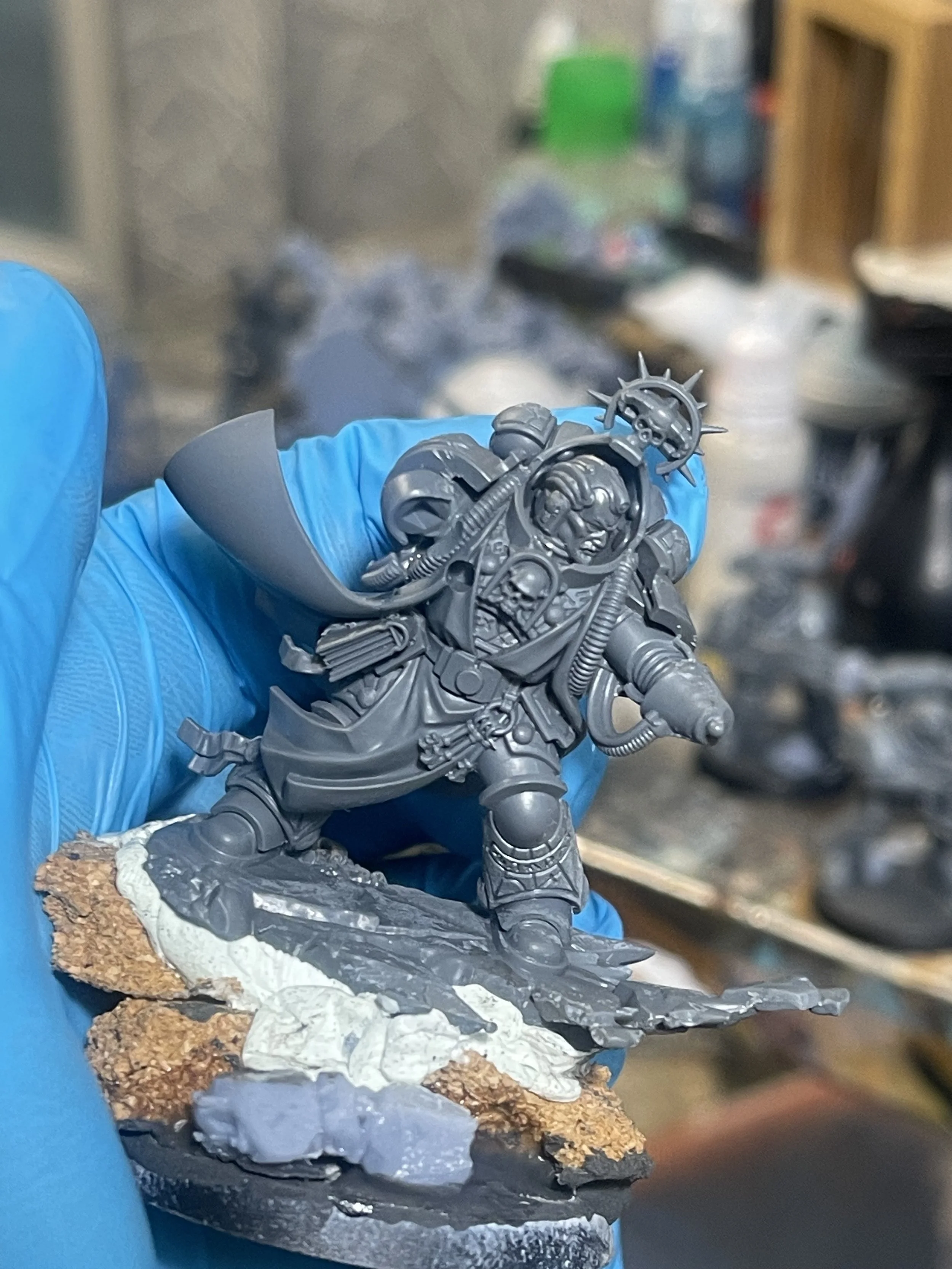
Great Painting Starts With a Great Canvas
Before the first drop of paint reaches a miniature, there's a lot of work that happens underneath it.
A miniature can have the best paint job in the world, but visible mold lines, poorly fitted parts, gaps, awkward joins, or an inaccessible pose can seriously undermine the finished result.
That's why we treat assembly and preparation as part of the painting process and not an afterthought.
Whether you send us a box of unassembled sprues or a partially built model that needs some attention, we'll prepare it with the finished miniature in mind.
PREPARATION Before Paint
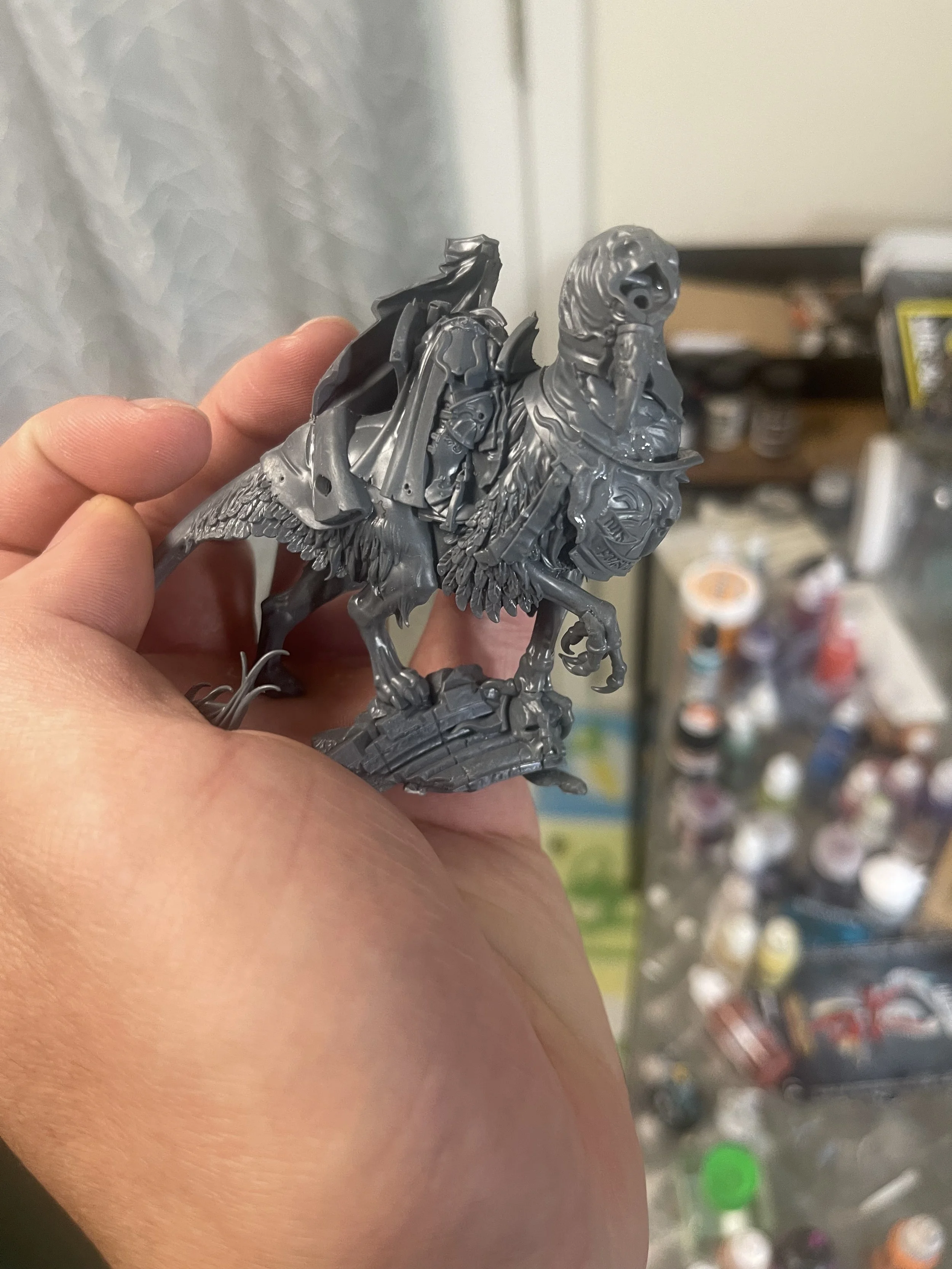
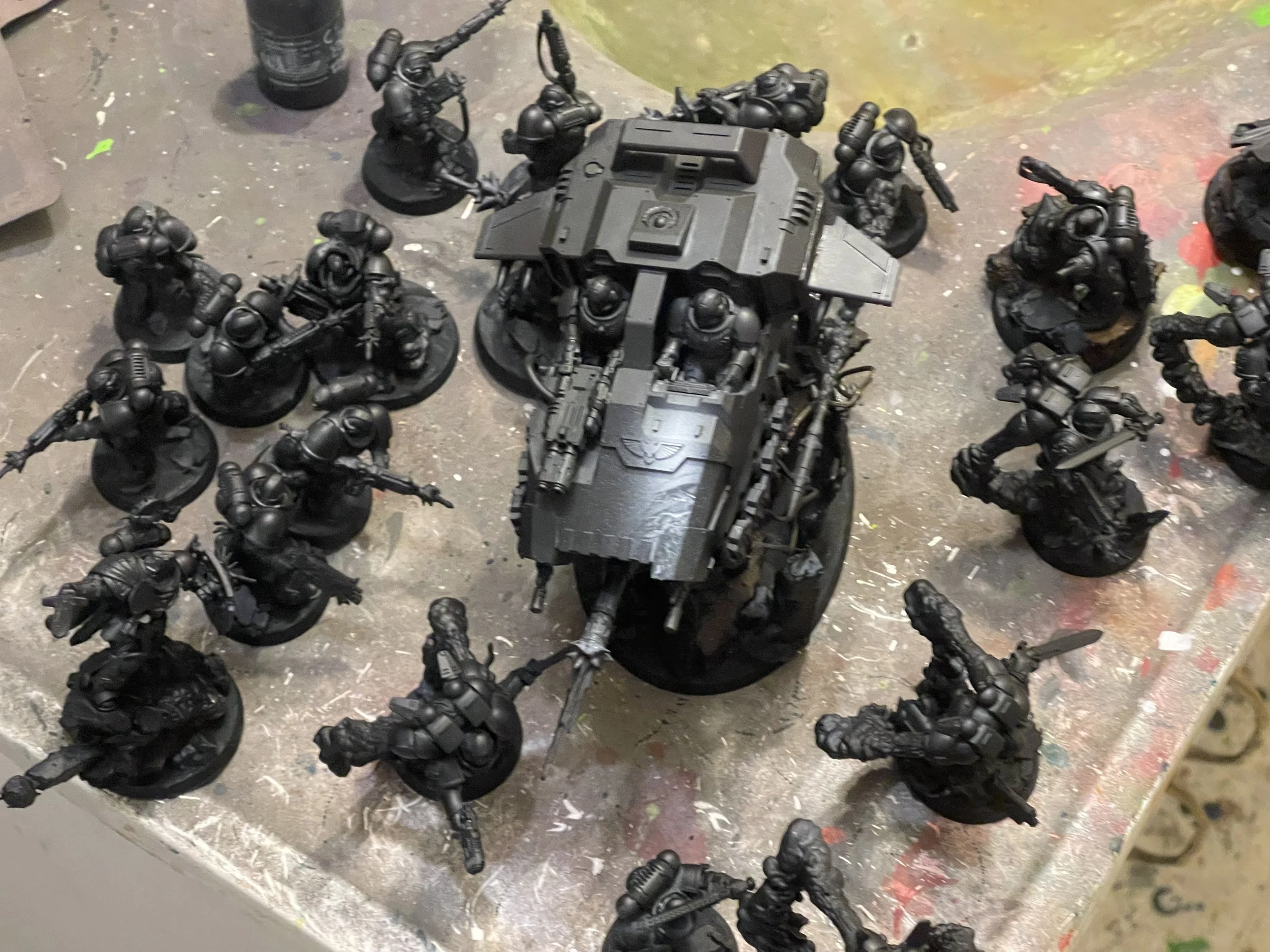
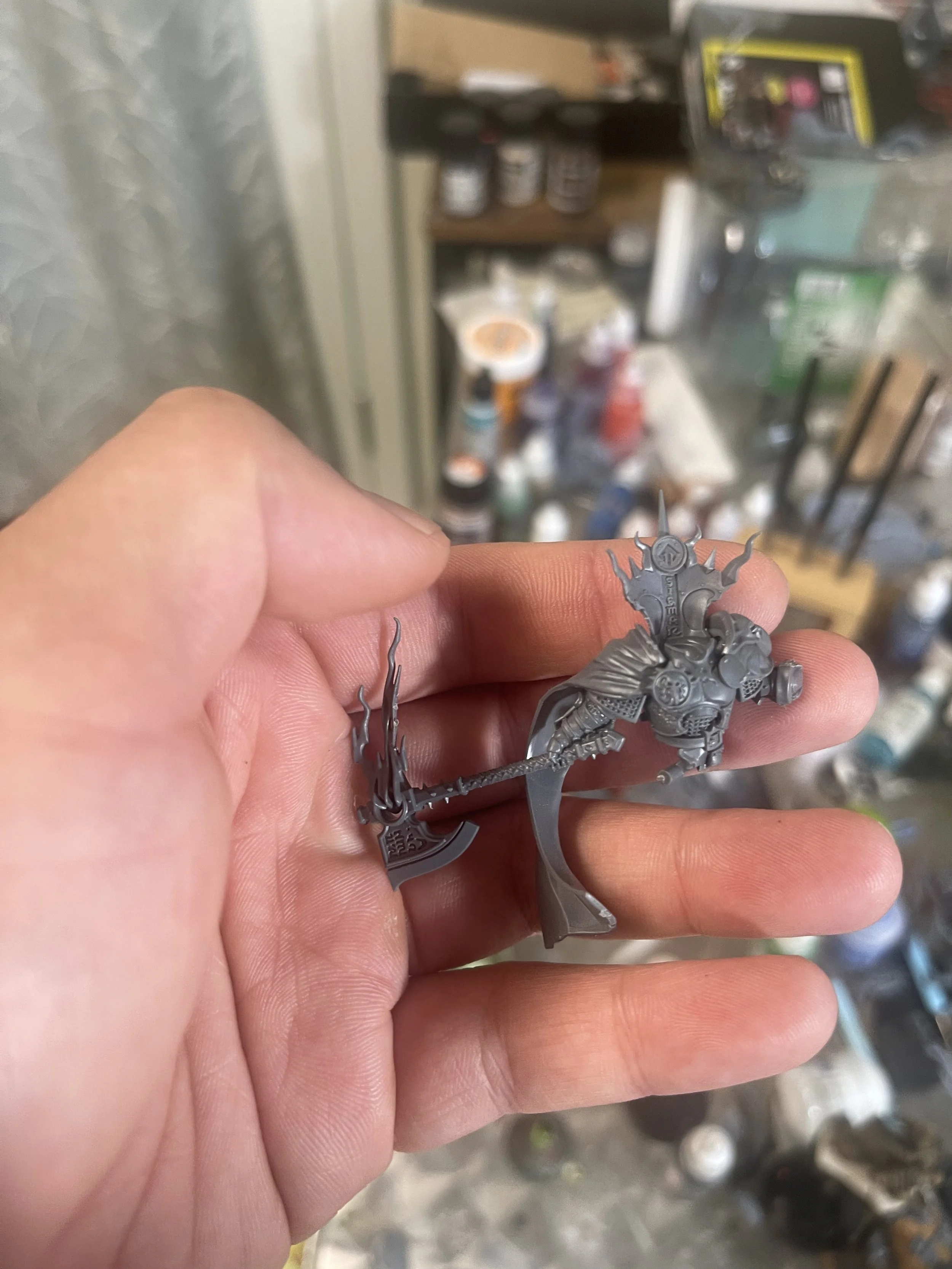
The Details You Won't See Are Still Important
Before assembly begins, models are inspected and prepared for the work ahead.
Depending on the miniature, preparation can include:
Removing mold lines and unwanted casting remnants
Cleaning and preparing components
Test fitting parts before they're permanently attached
Checking joins and identifying areas that may need gap filling
Planning the assembly around the eventual paint job
Preparing difficult-to-reach areas before they're assembled
This stage is especially important for more complicated models, where assembling everything immediately can make certain surfaces significantly harder to paint properly.
Assembly
Built With the Finished Model in Mind
We don't simply follow the instructions and glue everything together as quickly as possible.
Whenever practical, we'll consider how the finished miniature needs to look and how it needs to be painted.
That can mean leaving certain components separate during painting, planning subassemblies, or considering the accessibility of areas that would otherwise become difficult to reach.
For larger models and more complicated kits, this planning becomes even more important.
The goal isn't simply to produce an assembled miniature.
It's to produce the best possible starting point for the finished one.
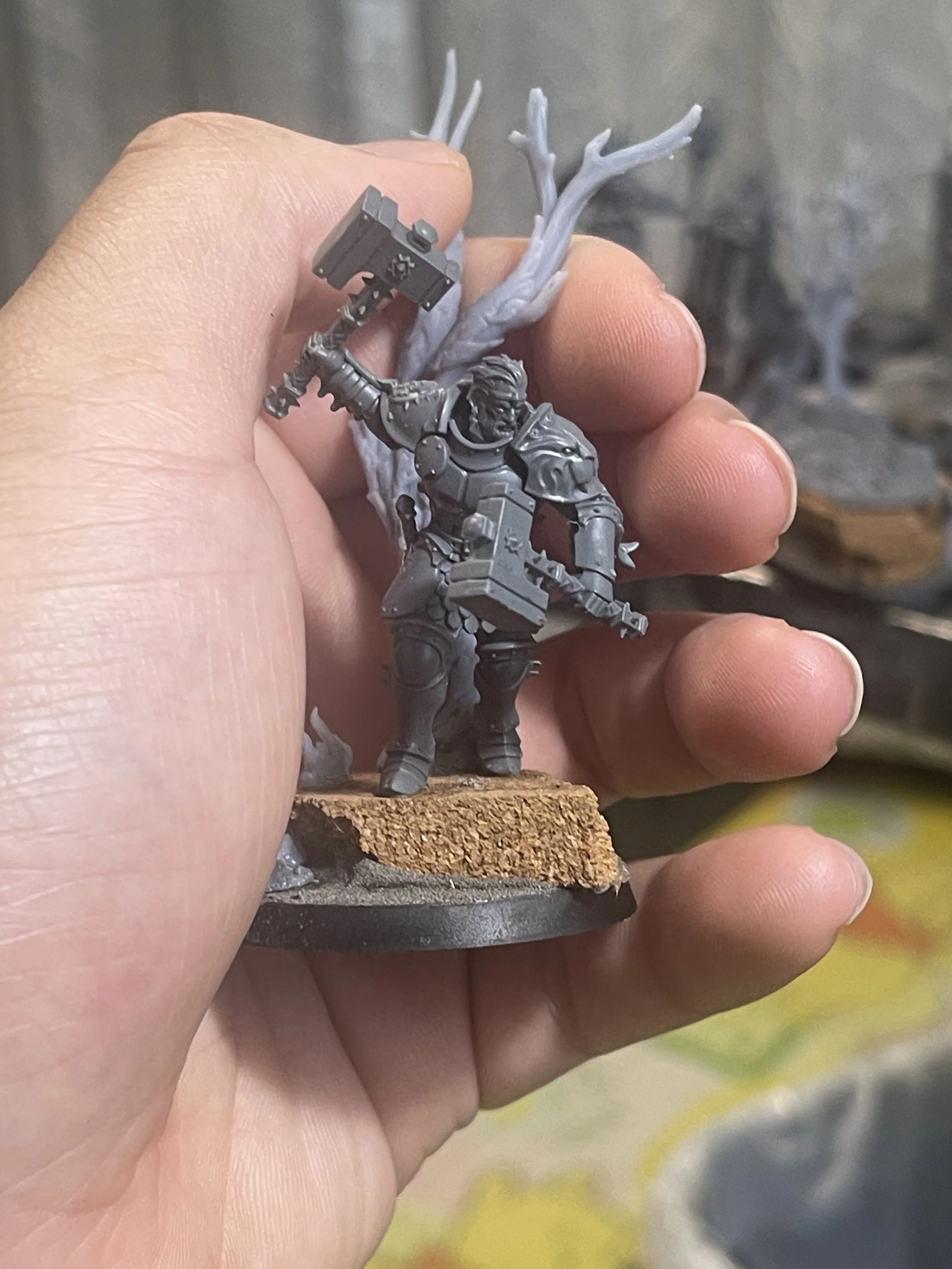
BASIC CUSTOMIZATION
Sometimes the Instructions Aren't Quite Right
Not every model needs a full conversion to make it feel unique.
Simple part swaps can often be incorporated as part of assembly, including:
Head swaps • Shoulder pads • Weapons • Accessories • Compatible components
If the change is essentially a matter of selecting a different compatible component and assembling it normally, we'll generally treat it as part of the assembly process.
As the work becomes more involved—cutting, reshaping, reposing, combining kits, sculpting, or fabricating custom parts, it moves into our Customization & Conversions service.
If it's just glue, it's free.
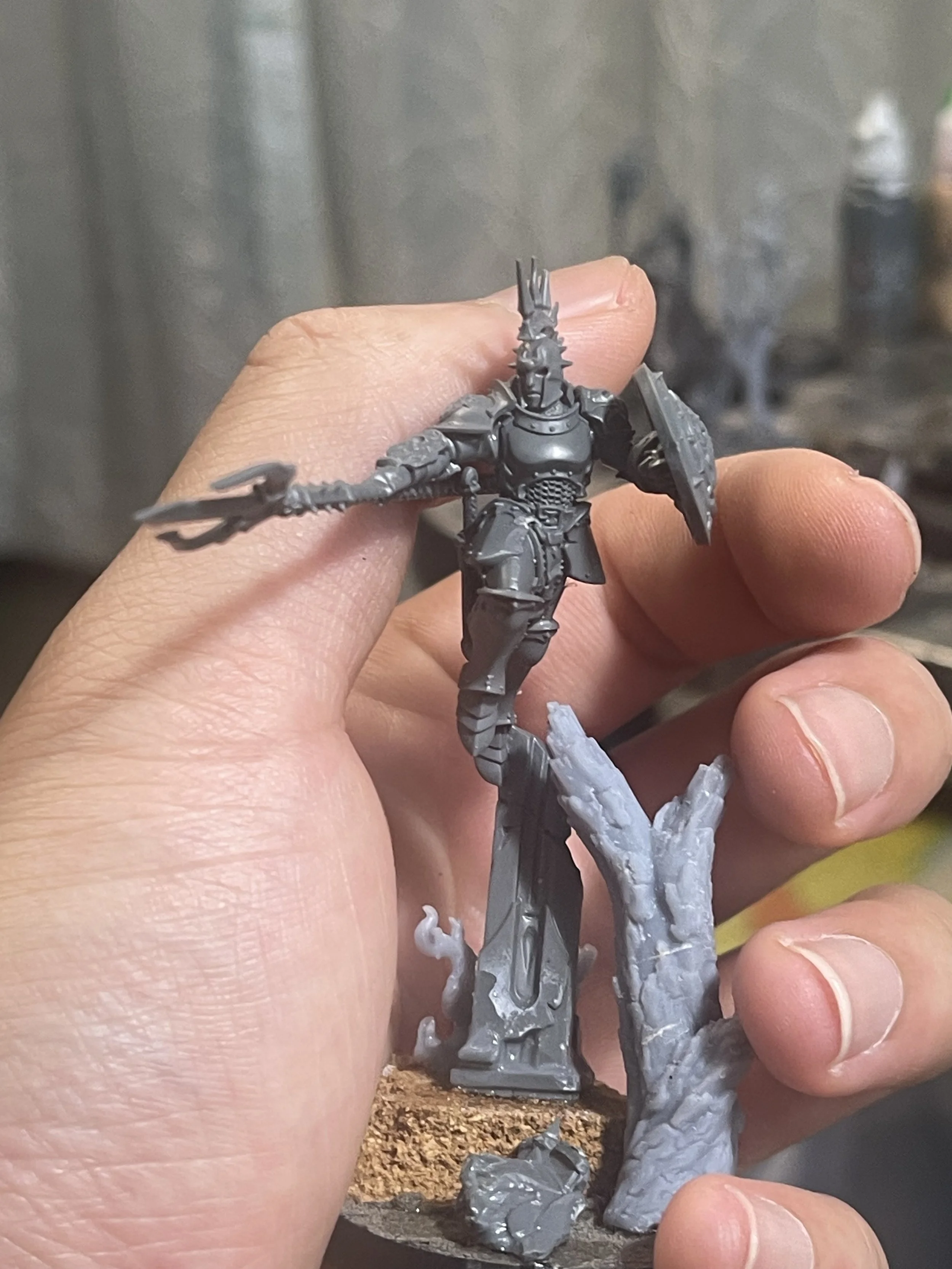
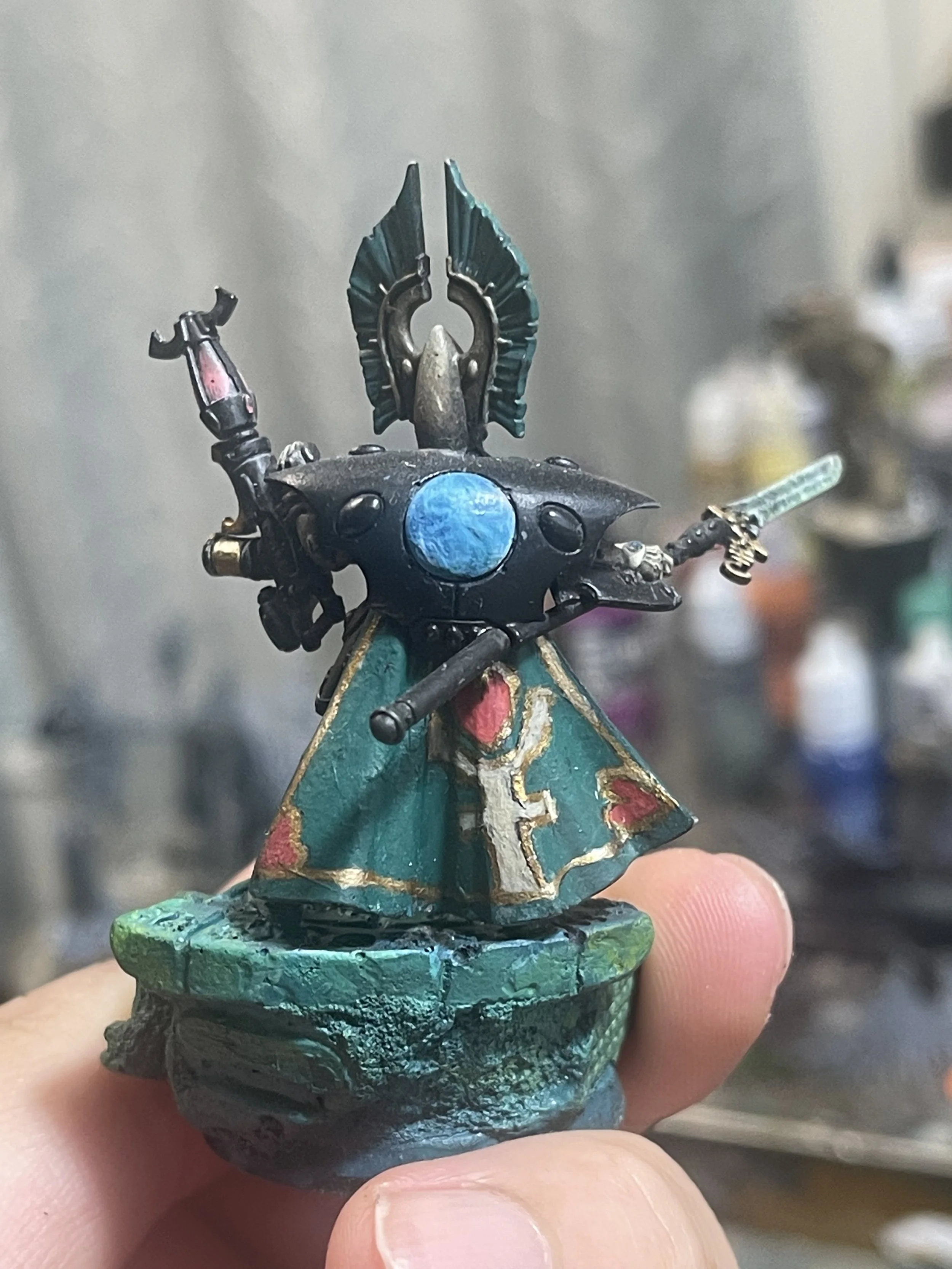
Magentization
Build It Once. Change It Later.
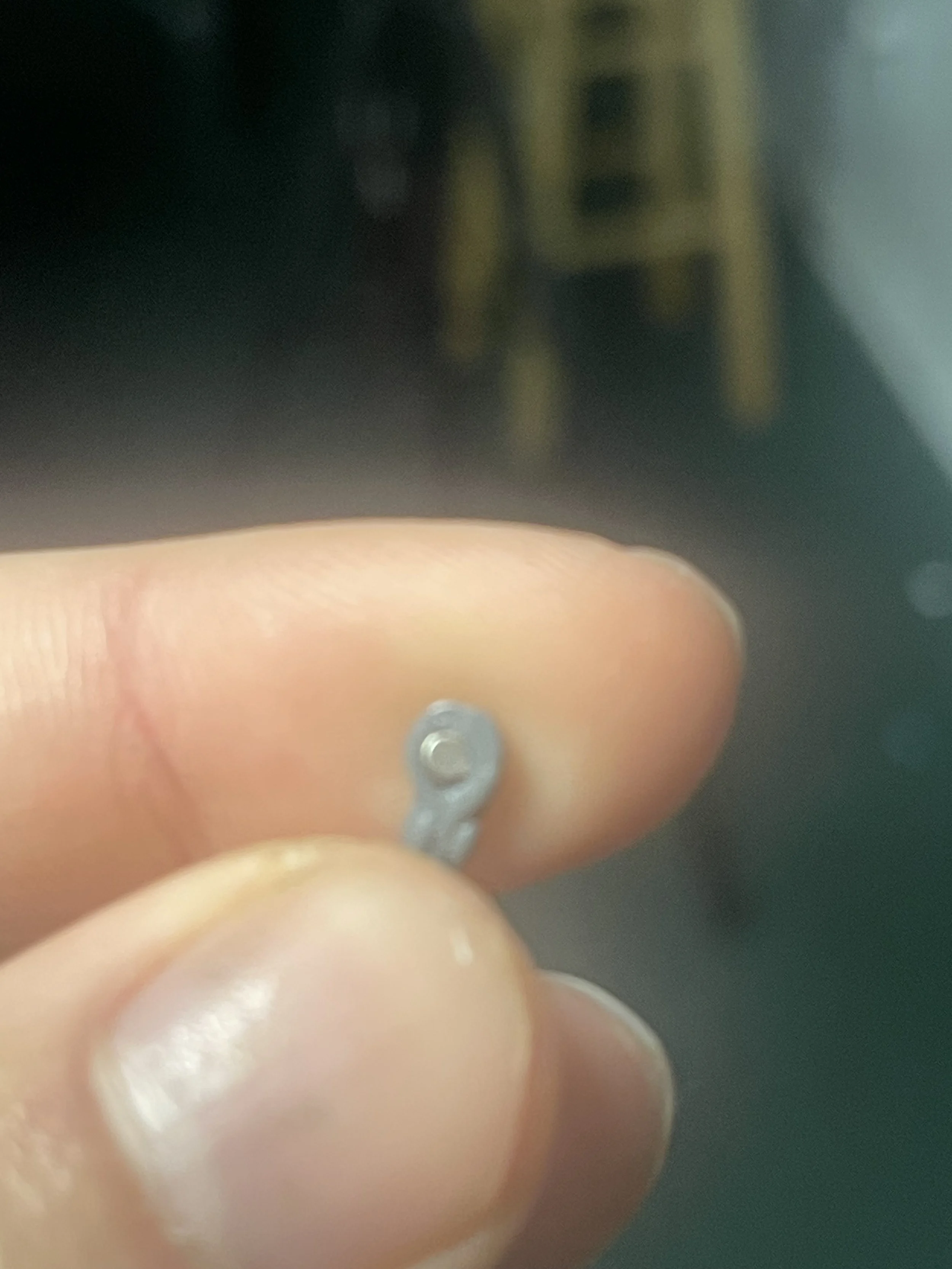
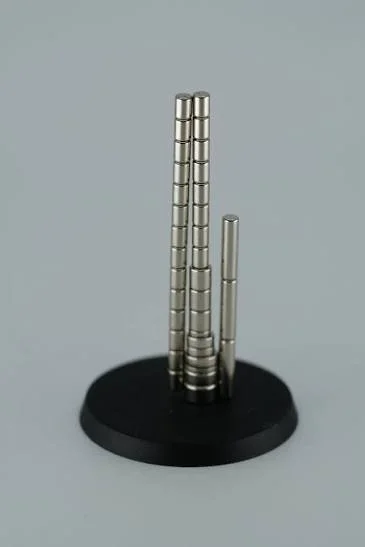
Magnetization can be a great way to give a model multiple configurations without permanently committing to one loadout.
We can magnetize appropriate components such as:
Vehicle weapons
Turrets
Arms and weapon options
Interchangeable equipment
Removable components
The complexity of magnetization varies considerably between models, so it is quoted according to the actual projectrather than charged at one universal per-model rate.
For simple swaps, magnetization may be relatively straightforward. More complicated models can require significantly more drilling, fitting, reinforcement, and testing.
Custom ASsembly for Painting
Sometimes the Best Assembly Is the Assembly We Don't Finish Yet
One of the advantages of commissioning both assembly and painting together is that we can plan the two processes as one project.
Some miniatures are better painted in subassemblies before being brought together at the end.
That might mean keeping:
Shields separate
Weapons separate
Large armor panels separate
Backpacks or accessories separate
Other difficult-to-reach components detached
This isn't necessary for every miniature, but when it improves accessibility or the final finish, we'll plan around it.
The model is assembled for the painting, not painted around a bad assembly.
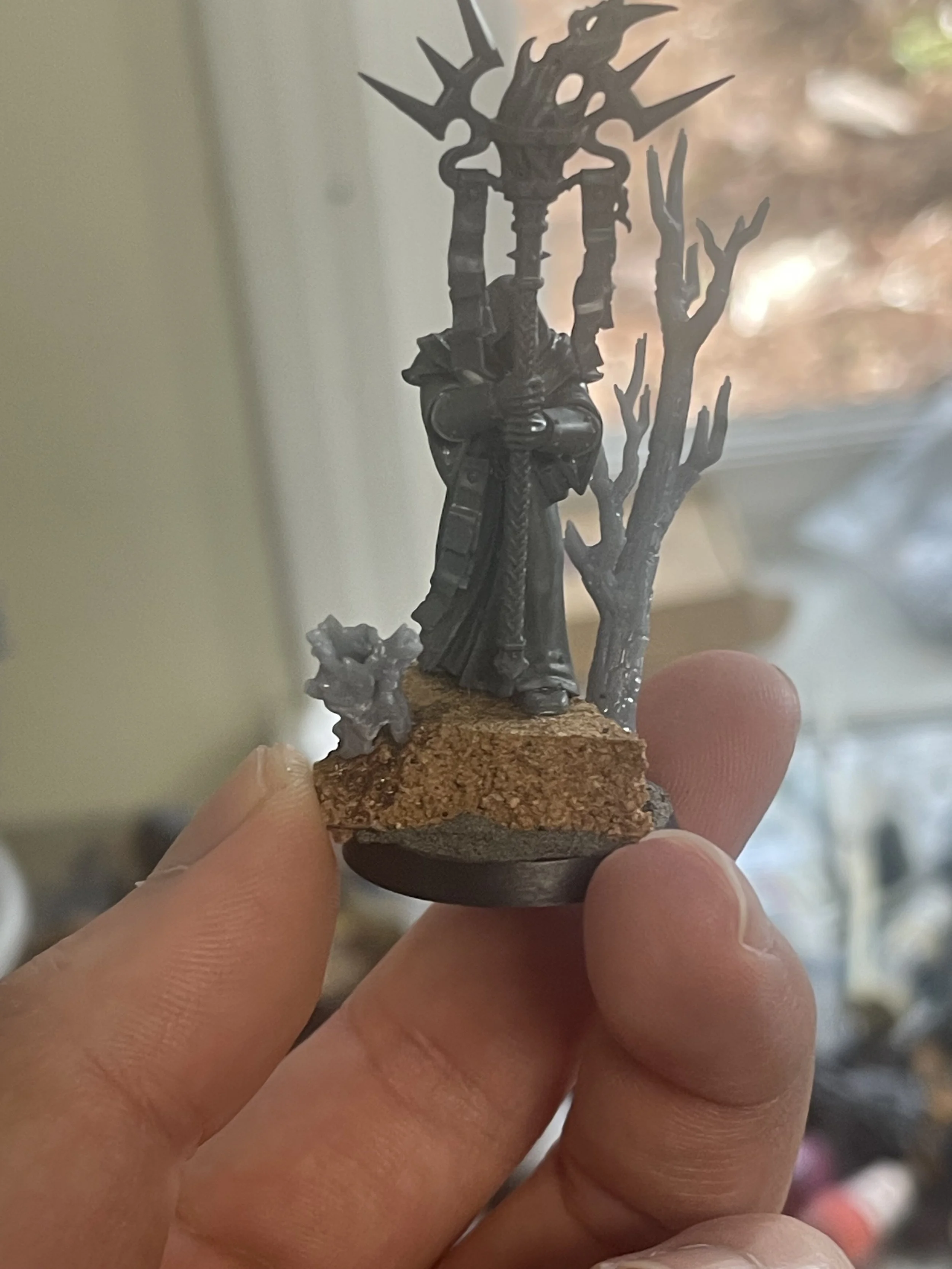
Large and complex Models
Larger models bring their own challenges.
Vehicles, monsters, walkers, large characters, and other complex kits can involve extensive fitting, gap filling, subassembly planning, and structural considerations.
For these projects, we'll assess the model before beginning and determine the best approach for assembly and painting.
If a project requires work beyond normal assembly-such as extensive reposing, heavy kit-bashing, sculpting, or custom fabrication, we'll discuss that with you beforehand and quote it separately.
WHAT ASSEMBLY INCLUDES
Standard Assembly
Included:
Component cleanup
Mold-line removal
Test fitting
Gluing
Basic gap filling
Standard assembly
Basic compatible part swaps
Additional Services
Quoted separately when required:
Magnetization
Reposing
Extensive kitbashing
Complex conversions
Sculpting
Custom fabrication
Significant structural modification
THE FINISHED MODEL STARTS HERE
Assembly might be the part of the process that eventually disappears underneath layers of primer and paint.
But that's exactly why it matters.
A cleanly prepared model gives us a better surface to paint. A well-planned pose makes the finished miniature more convincing. Proper subassembly gives us access to areas that would otherwise be difficult to reach. And careful construction helps ensure that the finished piece is something you can actually enjoy for years, without it breaking apart with every breath.
The painting gets the attention, but the preparation makes it possible for it to get said attention.